 how-to
7 Steps to Solar Panel Installation in Javea
Table of Contents
- Step 1: Assess Your Roof and Energy Needs
- Step 2: Get a Tailored System Design
- Step 3: Secure Permits and Handle Legal Paperwork
- Step 4: Understand Solar Panel Grants and Tax Incentives
- Step 5: The Solar Panel Installation Duration and Process
- Step 6: Connect to the Grid and Start Saving
- Step 7: Follow Solar Energy System Maintenance Tips
- Frequently Asked Questions
Last Updated: September 8, 2026
Solar panel installation is a structured process that transforms your property into a self-generating energy asset, and understanding the seven key stages helps you plan with confidence. For homeowners in Javea and the surrounding Costa Blanca North, the journey from initial assessment to a fully operational system follows a clear sequence. At MiSolar, we have refined this workflow across many projects, and this guide breaks down exactly what happens at each step so you know what to expect before you commit.
The most important thing to understand upfront is that a successful installation depends far less on the hardware than on the preparation. Poor roof assessment, incorrect paperwork, or a mismatched system design are the reasons projects stall or underperform. Getting the first three steps right determines whether you break even in a few years or spend a decade waiting for returns.
Step 1: Assess Your Roof and Energy Needs
The first step in solar panel installation is a thorough evaluation of your roof's structural condition and your household's consumption patterns. This assessment determines whether your property is suitable and what size system you actually require.
Start by reviewing your electricity bills from the past twelve months. Look for your annual consumption in kilowatt-hours, not just the monthly cost. A typical villa with air conditioning, a pool pump, and modern appliances consumes significantly more during summer months, so your system should be sized for your yearly total rather than a single season (energy.gov).
Roof evaluation covers orientation, pitch, shading, and structural integrity. In Javea, south-facing roofs at a 20-30 degree pitch capture the most sunlight, though east-west configurations can still perform well with modern inverter technology. Shading from neighbouring trees or buildings is a common concern; a professional site survey using shading analysis tools will show exactly how much generation you lose at different times of day.
Step 2: Get a Tailored System Design
Once the assessment is complete, the next stage is designing a system tailored to your specific lifestyle, consumption, and aesthetic preferences. This is where generic, one-size-fits-all quotes fall short.
A proper design specifies the exact number of panels, their layout on your roof, the inverter type, and whether battery storage makes financial sense for your situation. For holiday homeowners who occupy their property only part of the year, the design priorities differ from those of permanent residents; the system should maximise export earnings during vacant months or shift consumption patterns when you are in residence.
The design should also account for future needs. If you plan to add an electric vehicle charger or a heat pump for the pool, the system size and inverter capacity should anticipate that load. Many homeowners find that oversizing slightly during the initial installation is more economical than adding panels later.
Step 3: Secure Permits and Handle Legal Paperwork
Navigating the permitting process is often the least understood part of solar panel installation, yet it is where projects commonly experience delays. The paperwork in Spain involves several distinct authorisations, and the timeline depends heavily on your local municipality.
You will typically need a building permit or a communication of works from the town hall, alongside an interconnection permit from your electricity distributor. The technical documentation includes a technical project report, plans, and a certificate from an authorised installer. Some municipalities in the Costa Blanca region process these applications quickly, while others can take several weeks or months.
A full-service provider manages this entire process in-house. This includes preparing the engineering documentation, submitting applications to the correct authorities, and handling the inspection that follows installation. When one company controls the permitting, procurement, and on-site works, you avoid the coordination failures that occur when multiple subcontractors handle different stages.
Step 4: Understand Solar Panel Grants and Tax Incentives
Solar panel grants and tax incentives can substantially reduce your upfront investment, but they vary by region and change frequently. Understanding what applies to your situation requires checking current official sources rather than relying on older advice.
Several categories of support typically exist. There are often grants for self-consumption installations funded through regional programmes, which may cover a portion of the system cost. Additionally, there are tax deductions on your property tax and potentially on your income tax return for the installation costs. The exact amounts and eligibility criteria differ depending on whether you are a permanent resident or a non-resident property owner.
Official guidance on self-consumption and renewable energy support
The key point is that these incentives are time-limited and budget-capped. A reputable installer should be able to tell you what is currently available and handle the application paperwork on your behalf. If a provider cannot articulate the current incentive landscape, they may not be keeping up with the regulatory changes that affect your payback period.
Step 5: The Solar Panel Installation Duration and Process
The physical installation itself is often the fastest part of the entire journey, typically taking only a few days once the permits are approved. The exact solar panel installation duration depends on system size, roof complexity, and whether battery storage is included.
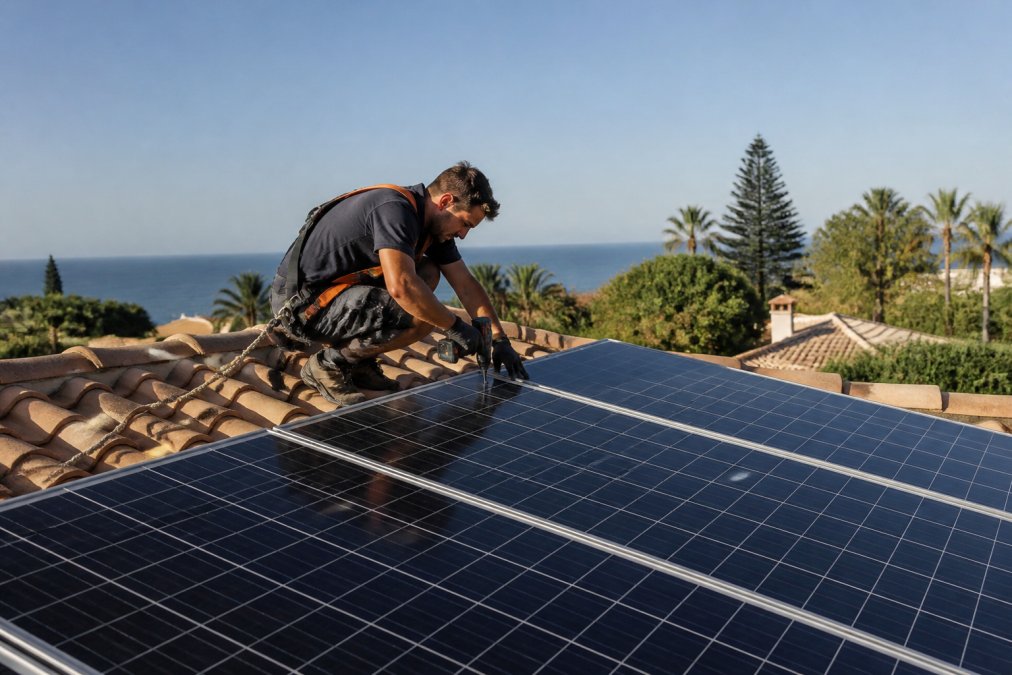
A standard residential installation follows a predictable sequence. Scaffolding goes up first, followed by the mounting rails secured to the roof structure. Panels are then fitted, the inverter is mounted, and all DC and AC cabling is run to your consumer unit. The final day usually involves commissioning the system, configuring the monitoring app, and walking you through how everything operates.
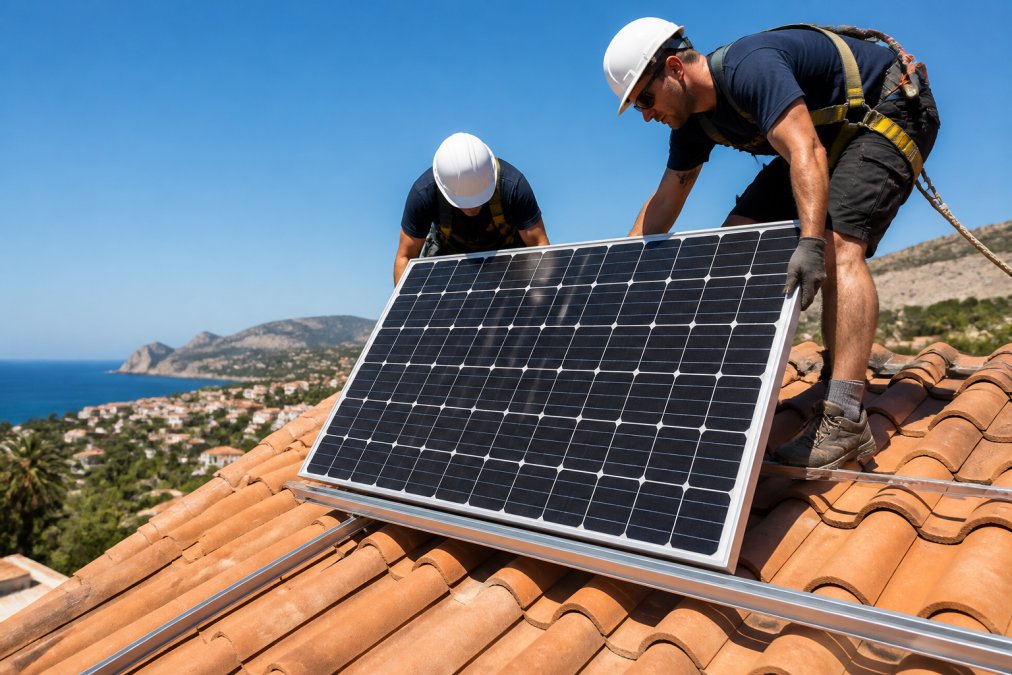
What extends the timeline is rarely the labour itself. Poor weather, unexpected roof conditions discovered mid-installation, or waiting for the distributor to schedule the grid connection can all add days or weeks. A provider with local expertise in the region's roof types and municipal requirements will anticipate these issues before they become delays.
Step 6: Connect to the Grid and Start Saving
After the panels are on your roof, the system must be connected to the electricity grid through a process managed by your distributor. This involves the installation of a bidirectional meter that measures both the energy you consume and the surplus you export.
The connection process requires the distributor to approve the technical documentation and physically install or replace the meter. This step is outside the control of your installer and depends on the distributor's workload in your area. Some homeowners see their connection completed within a week; others wait longer during peak demand periods.
Once connected, your savings begin immediately. During daylight hours, your property consumes solar energy directly, reducing the electricity you draw from the grid. Surplus generation is exported and credited against your consumption at night or on overcast days. For holiday homeowners, this export credit continues to accrue while the property is vacant, offsetting the standing charges that apply regardless of usage.
Step 7: Follow Solar Energy System Maintenance Tips
Solar energy system maintenance is minimal compared to most household infrastructure, but it is not zero. A well-maintained system continues performing at its peak for decades, while a neglected one quietly loses efficiency.
The primary maintenance task is keeping panels clean. In the Costa Blanca climate, dust and pollen accumulate over time, and coastal properties may see salt residue. Rain often provides sufficient cleaning, but during prolonged dry spells, a periodic rinse with clean water helps maintain output. More importantly, you should schedule an annual professional inspection to check electrical connections, inverter performance, and mounting integrity.
Monitoring is your early warning system. Most modern systems include an app that shows real-time generation, and reviewing this data monthly helps you spot underperformance quickly. If generation drops unexpectedly, the issue may be a shaded panel, a fault in one string of panels, or an inverter error.
Choosing the right partner determines whether this process feels seamless or stressful. A full-service approach that manages the engineering, permits, and installation under one roof eliminates the coordination headaches that plague fragmented projects. MiSolar brings local expertise in the region's roof types and municipal requirements, designs tailored systems around your specific consumption, and stands behind the work with post-commissioning support.
The path to energy independence in Javea follows these seven steps, from roof assessment through to ongoing maintenance. Each stage carries its own pitfalls, but the greatest risk is choosing a provider who disappears after the installation. Work with a team that has completed 300+ installations, holds a 5.0* rating from homeowners like you, and offers innovative financing plans. Get a quote from MiSolar and take the first step toward cutting your electricity bills to zero.
Frequently Asked Questions
Do I need a building permit for solar panels on my roof in Javea?
Yes, most installations require a building permit (licencia de obras) and a connection permit from the local council. A full-service installer in Javea manages this paperwork, which is often included in the project timeline. The process can take a few weeks, depending on municipal workload.
How long does the solar panel installation process take?
The physical installation typically takes one to three days. However, the entire process, including the site survey, system design, securing permits, and arranging the grid connection, can take several weeks. An experienced local installer will provide a clear timeline before you commit.
Are there grants or tax incentives for solar energy in the region?
Yes, various subsidies and tax incentives exist for solar installations. These can include reductions on the local IBI property tax and regional grants. Since schemes change frequently, a professional installer can advise on the current incentives you qualify for and help with the application.
What maintenance do solar panels require after installation?
Solar panels need minimal maintenance, mainly keeping them clean and free from debris. In the Costa Blanca climate, occasional cleaning is beneficial, especially after dry periods. You should also schedule an annual performance check to ensure the system is operating at peak efficiency.