
 ultimate-guide
How to Finance Solar Panels: A 2026 Guide
Table of Contents
- Understanding Your Solar Financing Options
- Government Incentives and Solar Panel Tax Deductions
- How Solar Energy Investment Increases Property Value
- Steps to Secure Solar Panel Financing
- Avoiding Common Financing Mistakes
- Conclusion
- Frequently Asked Questions
Last Updated: September 30, 2026
Understanding Your Solar Financing Options
When you're ready to finance solar panels, the upfront investment can feel daunting. The good news is that several financing pathways exist to make solar accessible without draining your savings. At MiSolar, we work with homeowners across the region to identify the financing approach that best suits their circumstances and budget.
The reality is straightforward: you don't need to pay cash outright. Whether you're looking at personal loans, green energy schemes, or home energy efficiency financing, each option carries different interest rates, terms, and tax implications. The key is understanding which one aligns with your timeline, credit situation, and long-term energy goals.
Personal loans for solar installation
A personal loan is often the quickest route when you finance solar panels. Banks and credit unions in the region offer unsecured personal loans specifically marketed for home improvements and renewable energy projects. These typically range from two to seven years in repayment terms, and approval can happen within days rather than weeks.
The advantage of a personal loan is simplicity. You receive a lump sum, pay the installer, and then repay the lender on a fixed schedule. There's no complex application process tied to property assessment or energy audits. However, interest rates on personal loans tend to be higher than secured financing options, so comparing rates across multiple lenders is essential before committing.
Green energy-specific financing schemes
Spain offers dedicated financing programmes designed specifically for renewable energy installations. These green energy loans often come with preferential interest rates because they're subsidised or backed by government initiatives aimed at accelerating the transition to clean energy. Some regional banks and energy cooperatives specialise in these products.
The application process for green energy financing typically requires documentation of your current energy consumption, roof condition, and the proposed solar system specifications. This extra step takes longer than a personal loan, but the lower interest rates often make it worthwhile. You may also unlock additional tax benefits when using these dedicated schemes, which we'll explore in the next section.
Home energy efficiency loans and Pontio
Home energy efficiency financing is a growing segment that covers not just solar panels, but complementary systems like battery storage, heat pumps, and EV charging infrastructure. Companies like Pontio, a platform specialising in home energy efficiency financing, work with installers like MiSolar to simplify the approval and funding process.
These platforms assess your home's energy profile and offer tailored financing that reflects the actual savings your system will generate. Rather than treating solar as an isolated expense, they evaluate the entire energy efficiency picture. This holistic approach often results in better terms because the lender can see the complete return on investment. When working with MiSolar, you can explore whether Pontio's financing options align with your project scope, particularly if you're considering complementary upgrades like EV charger installation or solar pool heater systems.
Government Incentives and Solar Panel Tax Deductions
Beyond financing, the Spanish government and regional authorities provide tax relief and subsidies that reduce your net cost. These incentives exist because renewable energy adoption directly supports climate targets and grid stability. Understanding what you're eligible for can significantly improve your investment return.
IBI reductions for renewable energy installations
The Impuesto sobre Bienes Inmuebles (IBI) is the annual property tax you pay on your home. The good news is that installing solar panels qualifies you for a reduction in this tax in many municipalities. The reduction typically applies for four years following the installation, though this varies by location.
The exact percentage reduction depends on your local council, but reductions of 25% to 50% of the IBI are common. To claim this benefit, you'll need to submit documentation of your solar installation to your municipal tax office. MiSolar can guide you through the paperwork and ensure your system is properly registered with the authorities to unlock this benefit.
National and regional subsidy programmes
Spain's national government and individual autonomous communities (regions) periodically launch subsidy programmes for residential solar installations. These grants, often called "ayudas," reduce your out-of-pocket costs by covering a percentage of the installation expense. Funding levels vary depending on regional budgets and programme design, but grants of 20% to 40% of system costs have been available in recent years.
Subsidy programmes typically have application deadlines and eligibility criteria based on factors like property location, system size, and homeowner income. The application process requires detailed project specifications, which is why working with an experienced installer like MiSolar is valuable. We handle the technical documentation and submission, ensuring your application meets all requirements.
How Solar Energy Investment Increases Property Value
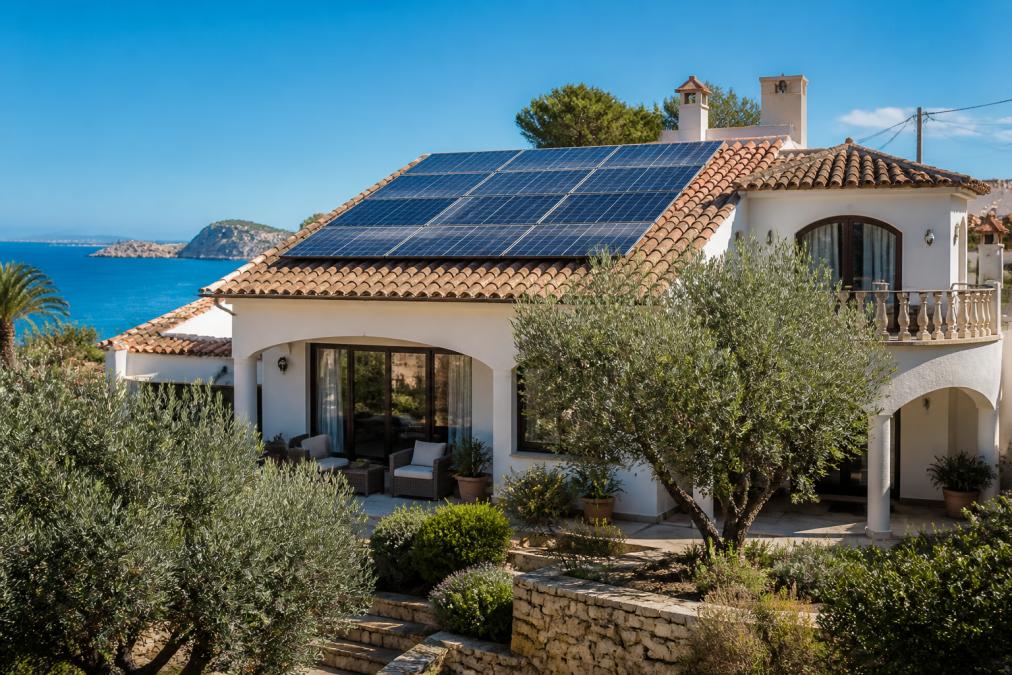
Installing solar panels isn't purely an operational cost reduction, it's a property investment. Homes with solar systems command higher resale values because buyers recognise the long-term energy savings and reduced grid dependence.
Research from property valuation firms shows that homes with renewable energy systems sell faster and at higher prices than comparable homes without them. Buyers in the region increasingly value energy independence, particularly given rising electricity costs. A solar system that cuts your energy bills to near zero becomes a tangible selling point.
The value uplift depends on system size, age, and local market conditions, but studies suggest homes gain approximately 3% to 4% in resale value for every kilowatt of installed solar capacity. For a family home with a 5 kW system, this translates to meaningful additional equity. Combined with the tax deductions and subsidy programmes available, solar becomes a wealth-building investment rather than just an expense.
Steps to Secure Solar Panel Financing
The path from "I want solar" to "panels are generating power" involves several sequential steps. Understanding the timeline and requirements helps you plan and avoid delays.
Assess your energy needs and system size
Start by reviewing your annual electricity consumption. Check your utility bills from the past 12 months to understand your average monthly usage and seasonal patterns. This data determines the system size you'll need to meet your goals, whether that's eliminating 50% of your bills or achieving complete energy independence.
During this phase, consider your roof's condition, orientation, and shading.
Get a detailed quote and financial projection
Once you've determined your needs, obtain a detailed quote from your chosen installer. The quote should itemise equipment costs, installation labour, permitting fees, and any optional additions like battery storage or EV charging integration. It should also include a financial projection showing estimated annual energy generation, savings, and the payback period.
Compare financing terms and apply
With quotes and projections ready, compare financing options side by side. Look at interest rates, repayment terms, any upfront fees, and whether the loan includes protection against underperformance. Some green energy loans include guarantees that cover the difference if your system generates less energy than projected.
Complete permitting and installation
After financing is approved and funds are disbursed, your installer obtains the necessary permits from local authorities. This step varies in duration depending on your municipality, but typically takes two to eight weeks. MiSolar handles all permitting work on your behalf, liaising with councils and ensuring compliance with building regulations and electrical standards.
Avoiding Common Financing Mistakes
Several pitfalls can derail your solar financing journey or leave you with unfavourable terms. Being aware of these mistakes helps you navigate the process more effectively.
Conclusion
Financing solar panels in 2026 is more accessible than ever, with multiple pathways tailored to different financial situations. Whether you opt for a personal loan, a green energy scheme, or home energy efficiency financing through platforms like Pontio, the key is understanding your options and comparing terms carefully.
Frequently Asked Questions
Are there government grants available for solar panel installations?
Yes, several schemes exist. The IBI (Impuesto sobre Bienes Inmuebles) property tax offers reductions for renewable energy installations, and some regional governments provide subsidies or grants. Eligibility and amounts vary by region, so check with your local council or energy authority for current programmes. Your solar installer can often advise on available incentives when you request a quote.
What are the tax deductions available for solar energy in Spain?
The primary tax benefit is the IBI reduction, which can lower your annual property tax for up to four years after installation. Some regions also offer deductions through income tax if you generate excess electricity sold back to the grid. Consult a tax advisor or your installer to understand which deductions apply to your property and installation type, as rules vary regionally.
How does solar energy investment increase property value?
Homes with solar panels typically sell for more because buyers value lower energy bills and energy independence. Studies show properties with solar systems attract environmentally conscious buyers willing to pay a premium. The long-term savings and increased self-sufficiency also make properties more desirable, particularly in regions with high electricity costs. The exact increase depends on system size, property location, and local market conditions.
Can I use specialised financing like Pontio for home energy efficiency products?
Yes. Pontio offers flexible financing for home energy efficiency products and can be used alongside solar installations through partners like MiSolar. This allows you to bundle solar panels with complementary systems such as battery storage, EV charging, or heat pumps into one financing arrangement, spreading costs across all upgrades and simplifying repayment.
Is it better to pay upfront or use a financing plan for solar panels?
Upfront payment eliminates interest costs, but financing spreads costs over time, allowing you to start saving on energy bills immediately whilst paying monthly instalments. Many homeowners break even within 2-5 years, after which monthly payments end but savings continue. Choose based on your cash reserves, interest rates available, and how soon you want to begin reducing energy expenses.
What documents do I need to apply for solar financing?
Most lenders require proof of identity, proof of residence, recent utility bills, and sometimes a credit check. Your solar installer's quote and system design will also be needed. If financing through a specialist provider like Pontio, they may request additional property or income documentation. Your installer can guide you on what specific lenders require.