 listicle
Solar Maintenance and Repair Services: What Matters
Table of Contents
- What Solar Maintenance and Repair Services Include
- How to Protect Solar Cables from Salt Air Corrosion
- Solar Inverter Repair Services: When and Why You Need Them
- Solar System Troubleshooting Guide: Common Issues and Solutions
- Finding a Reliable Solar Maintenance Provider
- Long-Term System Monitoring and Performance Checks
- Frequently Asked Questions
Last Updated: 2 October 2026
What Solar Maintenance and Repair Services Include
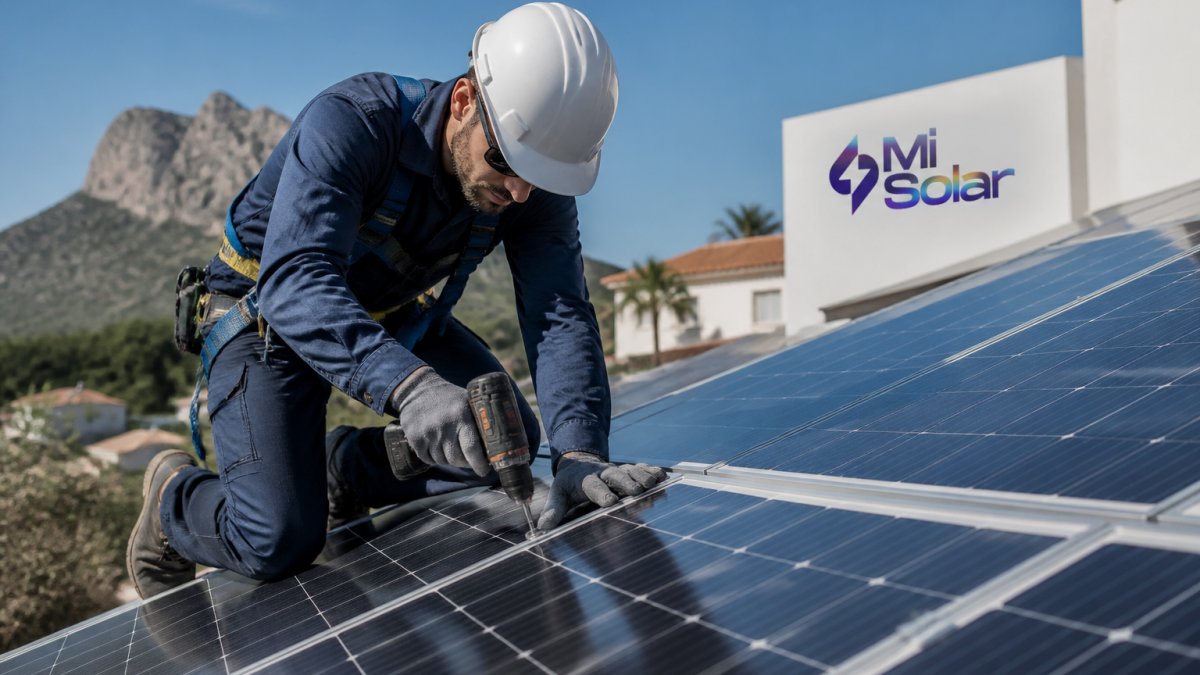
Solar maintenance and repair services encompass a comprehensive range of activities designed to keep your system operating at peak efficiency. These services typically include regular panel cleaning, electrical inspections, inverter diagnostics, and component repairs or replacements. A well-maintained solar system can deliver consistent energy production for 25+ years, but neglect leads to performance degradation and costly failures.
At MiSolar, we understand that solar maintenance isn't a luxury, it's essential protection for your investment. Our solar maintenance repair services cover everything from preventative inspections to emergency repairs, ensuring your system performs reliably year-round. Many homeowners underestimate how much dirt, debris, and environmental stress can impact output. Even a thin layer of salt residue from coastal air can reduce efficiency noticeably.
The core components requiring regular attention include photovoltaic panels, inverters, wiring and connectors, mounting hardware, and battery systems (if installed). Each requires different expertise and tools. Panels need gentle cleaning without scratching. Inverters require technical diagnostics to catch faults before they cascade into system shutdowns. Connectors and wiring demand careful inspection for corrosion, particularly in coastal regions where salt air accelerates degradation.
Professional solar maintenance repair services also handle documentation and warranty claims. If a component fails, your provider can verify whether it's covered under manufacturer warranty and manage the replacement process. DIY cleaning might save a few euros, but it won't catch electrical faults or document system health for insurance purposes.
How to Protect Solar Cables from Salt Air Corrosion
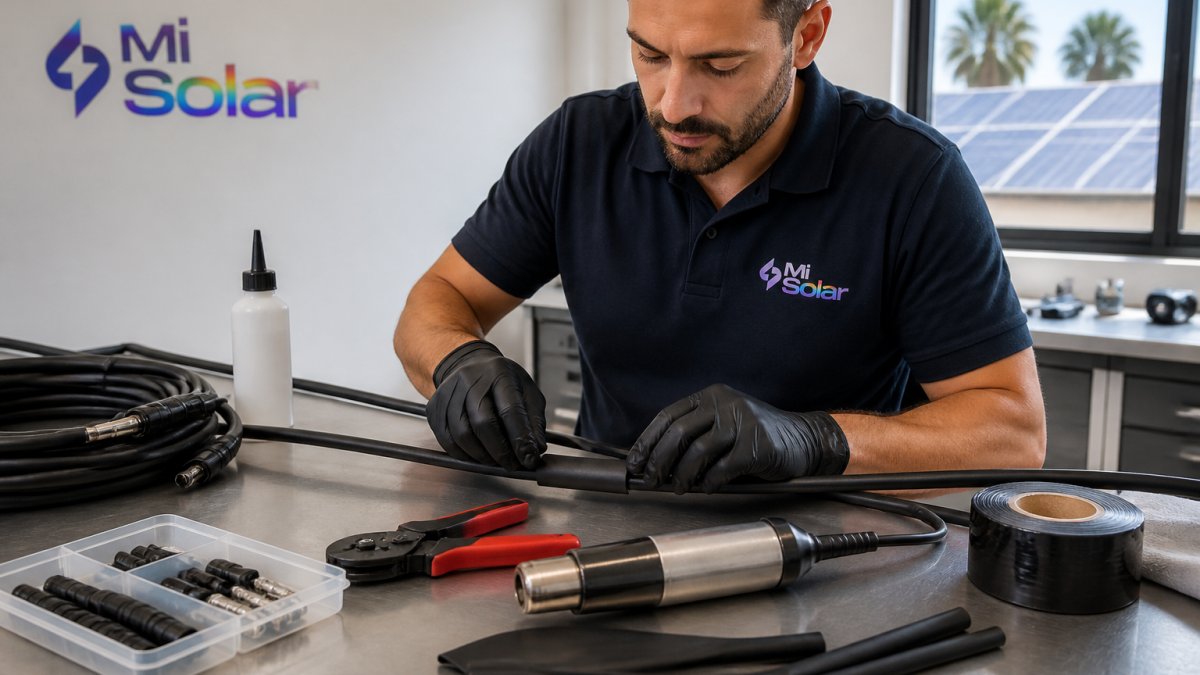
Salt air corrosion is one of the most damaging threats to solar systems in coastal regions. Saltwater spray accelerates oxidation of copper conductors and corrodes connector terminals, leading to increased electrical resistance, voltage drops, and eventual component failure. Protecting cables requires both preventative design and active maintenance.
The best defence starts at installation. High-quality connectors rated for marine environments use stainless steel housings and marine-grade sealants. Cables should be routed away from direct salt spray exposure whenever possible, and all exposed connectors benefit from protective caps or enclosures. MiSolar designs systems with coastal durability in mind, specifying components engineered for salt air environments rather than standard inland ratings.
Active maintenance involves regular visual inspections and cleaning. Salt deposits accumulate on connector terminals, creating a conductive path that bleeds current and generates heat. A simple annual inspection, looking for white or blue-green corrosion deposits on terminals, can identify problems before they cause failures. When corrosion is detected, affected connectors should be cleaned with a soft brush and treated with a corrosion inhibitor spray designed for electrical systems.
For cable runs exposed to salt spray, consider protective conduit or UV-resistant sheathing. These barriers reduce direct salt contact and extend cable lifespan significantly. Some systems benefit from additional grounding or surge protection to handle the increased electrical stress that corroded connections create.
Solar Inverter Repair Services: When and Why You Need Them
Your inverter is the brain of your solar system, converting DC power from panels into AC power your home uses. When an inverter fails, your entire system stops producing usable electricity, regardless of how much sunlight hits the panels. This makes inverter repair services critical to system reliability.
Common inverter problems include overheating, component failures, software glitches, and connection faults. Overheating occurs when inverters are installed in poorly ventilated spaces or when ambient temperatures exceed their rated tolerance. Component failures, typically capacitors or power semiconductors, develop over time due to thermal stress or manufacturing defects. Software glitches sometimes resolve with a firmware update or factory reset, but persistent errors usually indicate hardware failure.
Signs your inverter needs professional attention include: no power output despite sunny conditions, error codes displayed on the inverter screen, unusual noises (buzzing or humming), visible burn marks or discolouration, and tripped circuit breakers. Some of these issues can be diagnosed remotely through monitoring apps, but physical inspection and testing require specialist equipment.
Solar inverter repair services involve diagnostic testing to identify the specific fault, component-level repair or replacement, and performance verification. Repairing an inverter is often more cost-effective than replacement, particularly if the unit is within warranty. However, if the inverter is ageing or the repair cost approaches replacement cost, upgrading to a modern unit with higher efficiency may be the better choice.
Solar System Troubleshooting Guide: Common Issues and Solutions
| Problem | Likely Cause | Typical Fix | When to Call a Professional |
|---|---|---|---|
| Zero power output | Inverter failure, breaker tripped, or grid disconnection | Check breaker, restart inverter, verify grid connection | Persistent errors after reset |
| 20-30% output loss | Shading, dirt accumulation, or partial string failure | Clean panels, trim vegetation, inspect wiring | Localised damage or multiple issues |
| High temperature warnings | Poor ventilation or ambient heat stress | Improve airflow around inverter, check fan operation | Thermal sensor malfunction |
| Intermittent shutdowns | Loose connections or voltage fluctuations | Inspect all connectors, check ground integrity | Electrical faults requiring testing |
| Battery not charging | Inverter/charger fault or battery degradation | Verify settings, check battery health, test connections | Battery replacement or inverter repair |
The most common issues homeowners encounter are performance degradation and intermittent shutdowns. Performance degradation, where output gradually decreases over months, usually stems from panel dirt, shading changes, or minor electrical faults. Intermittent shutdowns, where the system cuts out temporarily then restarts, often indicate loose connections or voltage regulation problems.
Many issues can be diagnosed through monitoring apps. Modern systems log fault codes, temperature data, and performance trends. If your app shows error codes, photograph the screen and share it with your maintenance provider, this accelerates diagnosis significantly. Before calling for service, verify basic items: are breakers switched on, is the inverter displaying error codes, and is the grid connected?
For performance issues without obvious error codes, compare current output to historical data. A sudden 15% drop on a clear day suggests a specific problem (shading, dirt, or a failed component). A gradual decline over months typically indicates panel soiling or minor efficiency losses. Seasonal output variations are normal, winter typically produces 40-50% less than summer due to lower sun angles and shorter days.
Finding a Reliable Solar Maintenance Provider
Choosing a maintenance provider is as important as selecting your installer. A poor maintenance partner can miss developing problems, perform unnecessary repairs, or fail to respond when emergencies occur. The best providers combine technical expertise, local knowledge, and genuine commitment to long-term customer relationships.
Look for providers with verifiable experience in your region. Coastal systems face different challenges than inland installations, salt air corrosion, higher wind loads, and specific roof types require specialised knowledge. MiSolar's local expertise across the Costa Blanca North means we understand regional challenges: how salt air affects component selection, which roof types require specific mounting approaches, and how municipal regulations influence system design and maintenance schedules.
Verify that potential providers offer comprehensive services, not just panel cleaning. True solar maintenance repair services should include electrical diagnostics, inverter testing, monitoring system setup, and emergency repair availability. Ask about response times for urgent issues, a 24-hour response commitment is standard for professional providers. If you're considering expanding your system, whether through Residential Solar Installation and Solar PV Installation Services or complementary technologies like EV charger installation, your maintenance provider should be equipped to support those additions seamlessly.
Check references and online reviews, but understand their context. One negative review among dozens of positive ones may reflect unrealistic customer expectations rather than poor service.
Long-Term System Monitoring and Performance Checks
MiSolar includes post-commissioning monitoring setup as part of our service, ensuring your system is properly configured from day one. We help you understand your data, establish normal performance baselines, and recognise warning signs that warrant professional attention. Long-term system monitoring is the difference between a solar investment that delivers consistent returns and one plagued by unexpected failures and underperformance.
Frequently Asked Questions
How often should solar panels be serviced in a coastal climate?
In coastal areas with salt air exposure, professional servicing is recommended at least twice yearly. Salt deposits accelerate corrosion of cables, connectors, and metal components. Regular cleaning removes salt residue that reduces efficiency and causes long-term damage. Many providers offer annual maintenance contracts that include inspections, cleaning, and component checks to catch issues before they become costly repairs.
What are the signs that my solar inverter needs repair?
Watch for error codes displayed on the inverter screen, a sudden drop in energy production, or the inverter shutting down unexpectedly. Unusual noises, burning smells, or flickering lights in your home can also indicate inverter problems. If your monitoring app shows zero output despite clear weather, the inverter may need professional diagnosis. Solar inverter repair services can test the unit and replace faulty components before the entire system stops generating power.
Is professional solar panel cleaning necessary for efficiency?
Yes, especially in coastal regions where salt spray, dust, and pollen accumulate quickly. Dirty panels lose 15-25% efficiency depending on debris build-up. Professional cleaning uses appropriate techniques and equipment to avoid damageing the panels or voiding warranties. Cleaning is often bundled with maintenance checks, making it cost-effective as part of regular solar maintenance and repair services.
What should I expect from a standard solar maintenance check?
A comprehensive check includes visual inspection of panels for cracks or damage, testing electrical connections and grounding, cleaning panels and frames, checking inverter performance and error logs, inspecting mounting hardware for corrosion, and verifying that monitoring systems are working correctly. The provider should give you a detailed report and recommend any repairs needed. This preventative approach catches problems early and extends system lifespan.