 listicle
5 Best Solar Inverter Brands for Alicante Homes
Table of Contents
- Solar Inverter Comparison: Top 5 Brands for Alicante Homes
- 1. Sigenergy SigenStor: Best Inverter and Battery Combo for Most Homes
- 2. Huawei: Reliable Whole-Home Backup
- 3. Sungrow: Proven Residential Brand
- 4. SMA: Premium Option for Three-Phase Systems
- 5. Fronius: Premium Standalone Inverter for European Homes
- Hybrid Solar Inverter with Battery: Is It Worth It for Your Home?
- Solar Inverter Warranty and Lifespan: What to Expect
- How to Choose a Solar Inverter
- Frequently Asked Questions
Last Updated: October 13, 2026
Solar Inverter Comparison: Top 5 Brands for Alicante Homes
Choosing between solar inverter brands is the decision that shapes everything else about a home solar system. The inverter is the component that converts the direct current your panels produce into the alternating current your home actually uses, and it is the part most likely to need attention first. At MiSolar, we have completed more than 300 installations across the Costa Blanca North, and we have watched homeowners agonise over panel brands while treating the inverter as an afterthought. That is backwards.
This guide compares five inverter brands we rate for homes in this region, based on how they handle real conditions here: high summer temperatures, voltage swings on local networks, and the mix of single-phase and three-phase supplies found in villas and townhouses. Below, we break down what separates them, what each is best for, and how to think about warranty and lifespan before you commit.
Quick Comparison Table
| Brand | Type | Standout Strength | Best For |
|---|---|---|---|
| Sigenergy SigenStor | Hybrid inverter + battery | Stable output under voltage variation | Most homes wanting storage |
| Huawei | Hybrid inverter | Whole-home backup | Backup-first households |
| Sungrow | Hybrid / string inverter | Established residential track record | Buyers wanting a proven name |
| SMA | String inverter | Premium build, three-phase options | Three-phase systems |
| Fronius | Standalone inverter | Premium European engineering | Standalone setups |
1. Sigenergy SigenStor: Best Inverter and Battery Combo for Most Homes
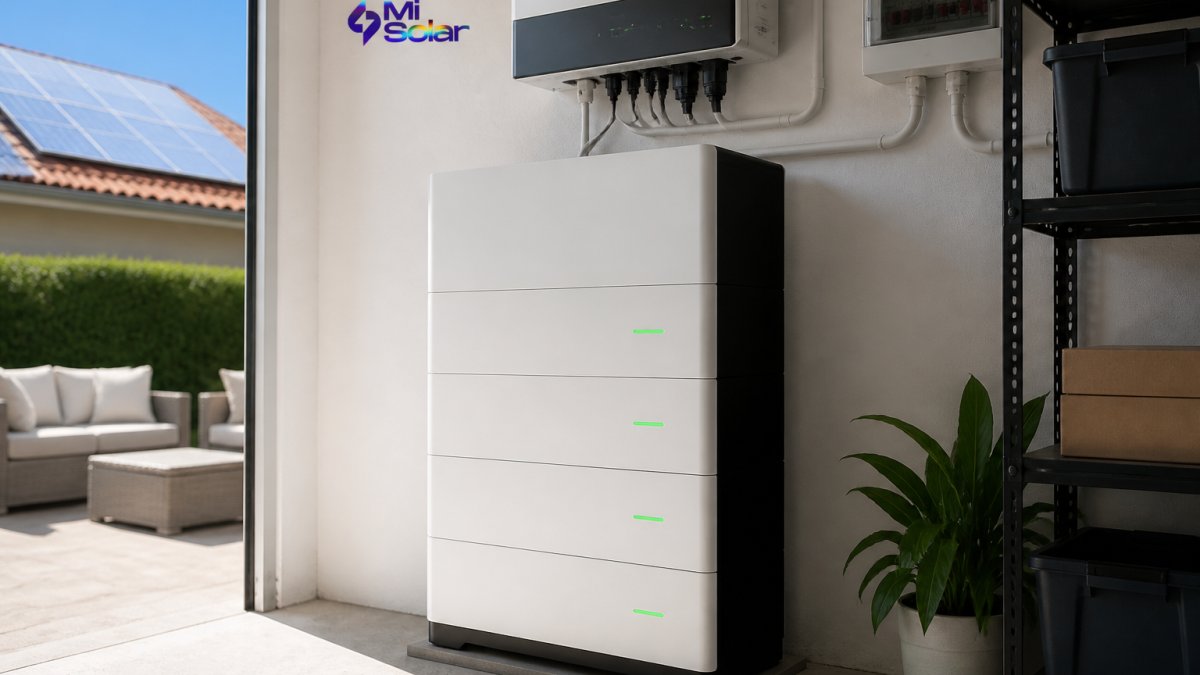
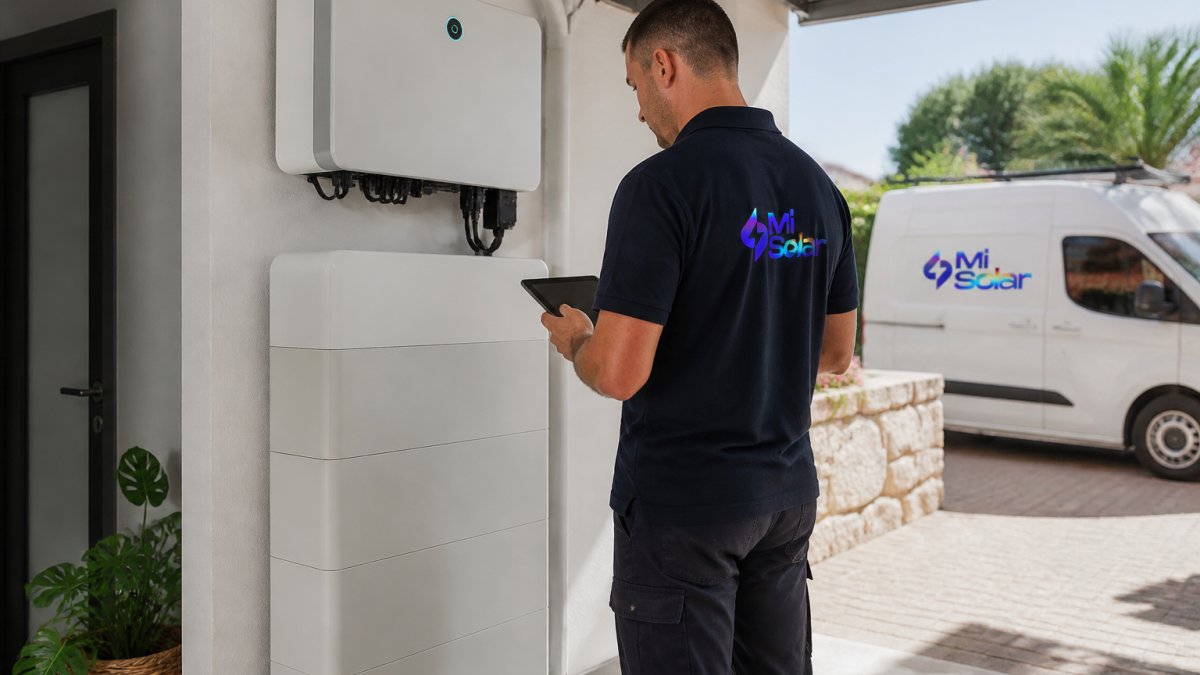
The Sigenergy SigenStor is the inverter we recommend most often, because it combines inverter and battery storage in a single unit rather than asking you to bolt two systems together. For a typical villa running air conditioning through August, that integration matters more than any spec sheet figure.
What sets it apart locally is how it behaves when grid voltage drifts. Spanish residential networks see voltage variation, particularly in areas with heavy summer demand, and a comparison of inverter options for Spanish homes notes that the SigenStor maintains steady output through both over-voltage and under-voltage conditions. In practice, that means fewer nuisance shutdowns on the hottest afternoons.
2. Huawei: Reliable Whole-Home Backup
Huawei earns its place on reliability and backup capability. The supplied comparison we reviewed specifically highlights whole-home backup as its strength, which appeals to owners who want the lights, fridge and Wi-Fi to stay on during an outage rather than just a few essential circuits.
The trade-off is that Huawei's ecosystem works best when you commit to it fully. Mixing a Huawei inverter with third-party batteries or monitoring hardware is possible but rarely seamless. If you want one app, one warranty contact and one throat to choke, that is a genuine advantage. If you prefer to shop components separately, look elsewhere.
3. Sungrow: Proven Residential Brand
Sungrow is the safe, established choice. It appears repeatedly in comparisons of residential inverter brands for Spain, and one supplied guide describes it as tied with Huawei at the global top. That scale translates into wide installer familiarity, which matters when you need a replacement or a firmware update in five years.
Where it falls short is differentiation. Sungrow does not lead on any single feature in the way Sigenergy does on voltage tolerance or Huawei does on backup. It is competent across the board, and for many homeowners that is exactly the point.
4. SMA: Premium Option for Three-Phase Systems
SMA is the premium pick, and it is the brand we point three-phase villa owners toward first. The German manufacturer has a long history in residential solar, and the supplied guides position it as a premium option, including for systems where three-phase equipment is relevant.
The drawback is cost. Premium pricing is real, and for a straightforward single-phase rooftop system, you may not capture the benefit. SMA makes most sense when your installation is complex, your supply is three-phase, or you simply value build quality and are willing to pay for it.
5. Fronius: Premium Standalone Inverter for European Homes
Fronius is the Austrian alternative for homeowners who want a standalone inverter rather than a hybrid. Supplied results describe it as a premium, reliable option suited to European homes, and it holds that reputation well.
If you are not planning battery storage, a standalone inverter like a Fronius unit is often the cleaner, cheaper route. If storage is on your roadmap, a hybrid unit will usually serve you better from day one. That is the fork in the road, and it is worth deciding before you buy rather than after.

Hybrid Solar Inverter with Battery: Is It Worth It for Your Home?
A hybrid solar inverter with battery is worth it if you want to store daytime generation for evening use or keep power running during an outage. For most homes in this region, where air conditioning drives evening consumption, storage shifts your usage away from expensive peak hours.
The case for hybrid is strongest when you decide early. Retrofitting storage onto a standalone inverter usually means replacing equipment you already paid for. Deciding upfront avoids that waste.
Solar Inverter Warranty and Lifespan: What to Expect
Inverter warranties typically run shorter than panel warranties, and this is the single most misunderstood part of a solar purchase. Panels often carry 25-year performance guarantees; inverters commonly carry 5 to 12 years, depending on brand and model. Always confirm the exact terms in writing before signing.
Lifespan follows a similar pattern. An inverter is a working electronic component and will usually need replacing or servicing before your panels do. Choosing a brand with strong local support matters more here than squeezing out a marginally better efficiency figure.
How to Choose a Solar Inverter
Choosing the right inverter comes down to four questions: single-phase or three-phase supply, whether you want storage now, how much backup you need, and how strong local support is for the brand. Answer those honestly and the shortlist narrows fast.
If you are weighing up a full system, our residential solar installation service covers design, permitting and commissioning, and we can advise on whether a solar pool heater or an EV charger should be part of the plan.
Frequently Asked Questions
Which solar inverter brands are best for home use in Alicante?
Based on current comparisons, brands like Sigenergy, Huawei, Sungrow, SMA, and Fronius are frequently recommended for residential solar in Spain. Sigenergy's SigenStor stands out as a combined inverter and battery solution that handles voltage fluctuations well. Huawei offers whole-home backup, while SMA and Fronius are known as premium options. Your ideal choice depends on your roof layout, energy needs, and whether you want battery storage. A local installer can help match the right inverter to your home.
What should I look for when choosing a solar inverter?
Focus on efficiency, warranty length, and compatibility with your planned system. Check if the inverter supports battery storage if you might add one later. For Alicante's hot climate, ensure the inverter can operate efficiently at high temperatures. Also consider after-sales support and monitoring features. A local installer like MiSolar can assess your roof and energy usage to recommend the best fit, handling all permits and licences and installation.
Are hybrid inverters worth considering for a home solar system?
Yes, hybrid inverters are worth considering if you want to add battery storage now or in the future. They combine a solar inverter and battery charger in one unit, simplifying your system and often reducing costs. For holiday homes or villas with varying energy needs, a hybrid inverter like the Sigenergy SigenStor provides flexibility. It lets you store excess solar energy for evening use, increasing your independence from the grid.
How long do residential solar inverters typically last?
Most residential solar inverters last between 10 and 15 years, though premium brands may exceed this. Warranties typically range from 5 to 12 years, with some extendable. Factors like installation quality, ventilation, and ambient temperature affect lifespan. In Alicante's hot summers, proper ventilation is crucial. Regular maintenance checks, such as those offered by MiSolar, can help ensure your inverter performs well throughout its lifespan.
Can a solar inverter work efficiently in hot weather?
Solar inverters are designed to operate in high temperatures, but extreme heat can reduce efficiency and lifespan. In Alicante, where summer temperatures often exceed 35°C, choose an inverter with good thermal management and install it in a shaded, ventilated area. Brands like Sigenergy and Huawei are noted for maintaining steady output under voltage variations. Proper installation by a local expert ensures your inverter handles the heat effectively.
The inverter decision is where most solar projects are won or lost, and it is worth getting right the first time. MiSolar manages engineering, permitting and installation in-house, designs systems around your actual consumption and roof, and supports you after commissioning with monitoring and performance checks. Get a quote from MiSolar and find out which inverter suits your home.