 How-to
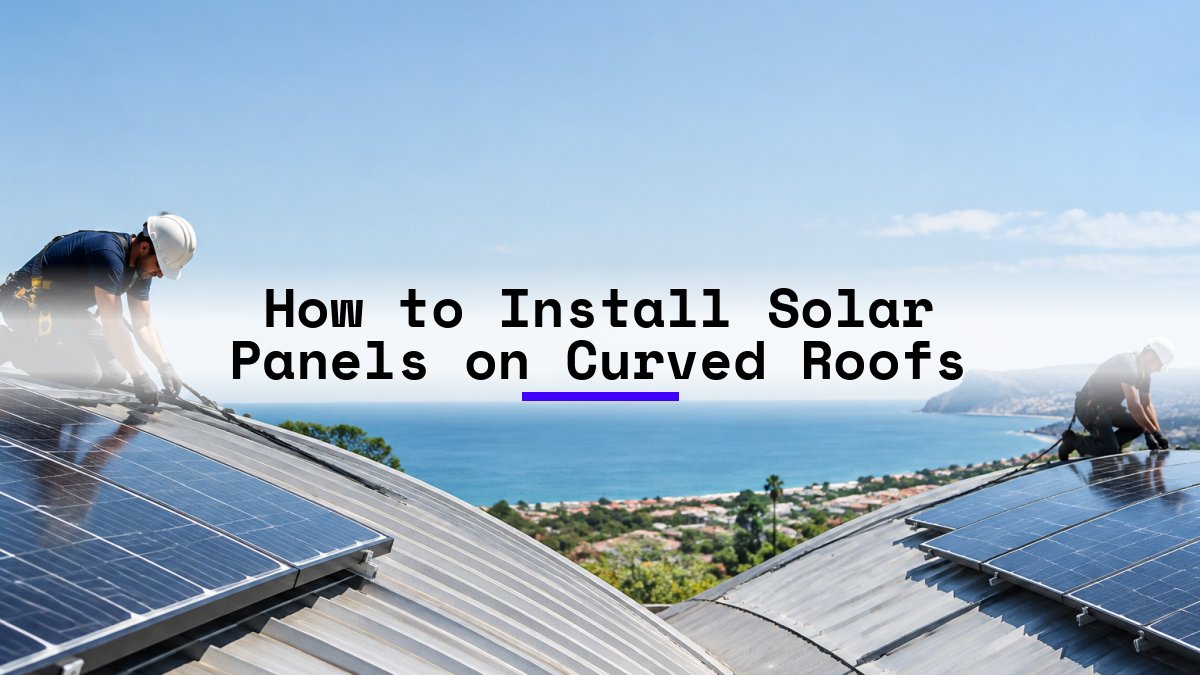
How to Install Solar Panels on Curved Roofs
Last Updated: November 17, 2026
Quick Summary
To learn how to install solar panels on curved roofs, match the mounting method to the roof shape and material: use flexible panels bonded with adhesive on metal and membrane roofs, adjustable brackets bolted to rafters on tiled curved roofs, or short rail sections on stand-offs for gentle barrel vaults. Assess roof condition, curvature radius and structural capacity before any quote, and waterproof every fixing point.
- Flexible panels bond with adhesive and need no drilling, suiting metal and membrane roofs.
- Adjustable brackets let you set each foot to the local roof angle on tiled curved roofs.
- Strut channel and support plates spread the load across several rafters.
- Bolting brackets through tiles without a support plate underneath can crack the tile.
- Heat reduces flexible panel output, and a tight arc can lift the adhesive edge.
Table of Contents
- Can You Install Solar Panels on Curved Roofs?
- Solar Panel Mounting Options for Curved Roofs
- Flexible Solar Panels for Curved Roofs: When They Fit Best
- Frequently Asked Questions
Can You Install Solar Panels on Curved Roofs?
Yes, you can install solar panels on curved roofs. The trick is matching the mounting method to the roof shape and material.
A curved roof has a continuous bend, so standard rails and clamps leave gaps, stress tiles, and invite water ingress. So how to install solar panels on curved roofs without damaging the structure? Work with the curve: flexible panels, curved mounting profiles, or short rail sections that follow the arc.
Roof condition, curvature radius (gentle curves accept semi-flexible panels; tight arcs may need custom frames), and structural capacity are the key factors to assess before any quote. Skipping the structural check can lead to costly problems, so the roof's load capacity should be assessed before any quote.
Solar Panel Mounting Options for Curved Roofs
Mounting options fall into several families, including adhesive flexible panels, adjustable brackets, short rail sections on stand-offs, and tilt frames for low-slope arcs.
| Mounting option | Best roof type | Fixing method | Main trade-off |
|---|---|---|---|
| Flexible panels | Metal and membrane roofs | Adhesive, no drilling | Lower output per m² |
| Adjustable brackets | Tiled curved roofs | Bolted to rafters | More roof penetrations |
| Short rail sections | Gentle barrel vaults | Stand-offs and support plates | Careful waterproofing needed |
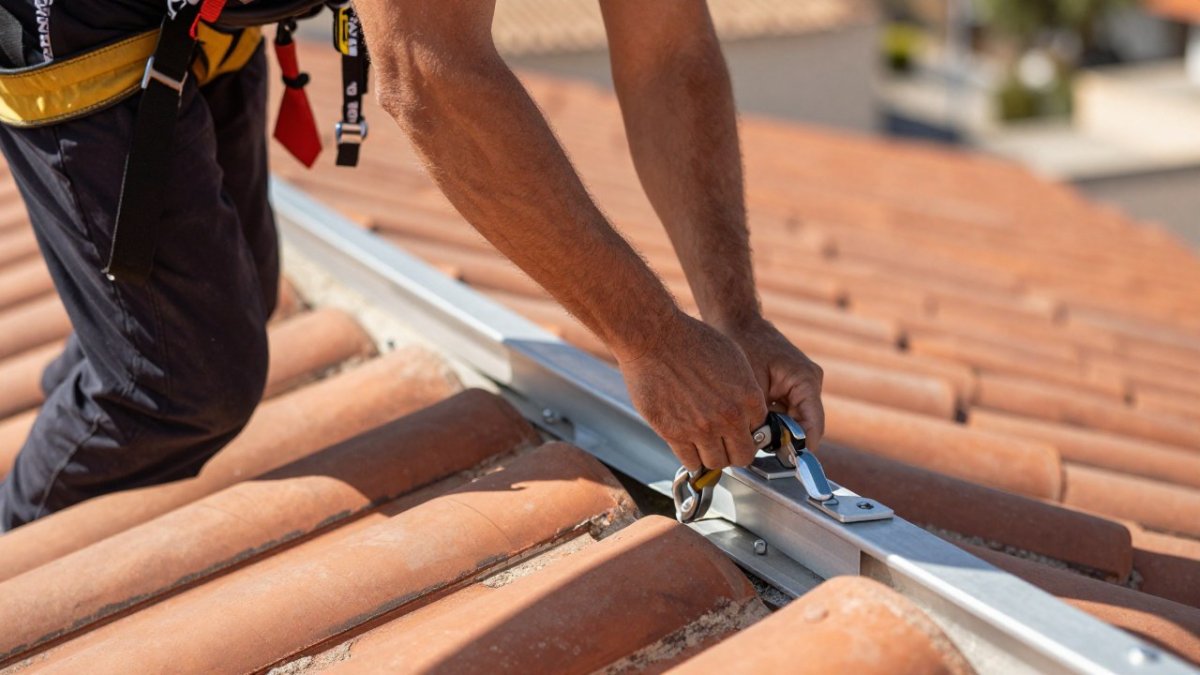
Adjustable brackets let you set each foot to the local roof angle, so the panel sits level above the curve, the workhorse for tiled roofs. Strut channel and support plates spread the load across several rafters so no single fixing point takes all the stress.
Every fixing point needs proper waterproofing. A common mistake is bolting brackets straight through tiles without a support plate underneath, which can crack the tile.
For a full curved-roof project, read our walkthrough of a bespoke solar PV installation in Costa Blanca North, and before hiring anyone for a tricky roof, run through the questions that separate a good installer from a bad one. If your curve is gentle, our placement rules for flat roofs translate directly to low-slope mounting. When ready to price the job, request a residential solar installation quote, our Residential Solar Installation and Solar PV Installation Services cover curved roofs from survey through to commissioning.
Flexible Solar Panels for Curved Roofs: When They Fit Best
Knowing how to install solar panels on curved roofs starts with flexible panels: thin, lightweight panels that bend to follow the surface. They bond with adhesive, no drilling, no frame, the cleanest option for metal and membrane roofs.
They fit best on metal, membrane, or smooth sealed surfaces with a gentle to moderate curve, where weight is a concern, or where you want a low-profile look with no visible rails. They fall short when the roof gets very hot or the curve is tight: heat reduces output, and a tight arc can lift the adhesive edge over time.
Once you know whether flexible panels suit your curve, get a quote from MiSolar.
Curved roofs are not a barrier to solar in Jávea. They just need the right mounting method and a proper structural check. MiSolar handles the full job in-house: engineering, permits, procurement, and on-site works. Our local team knows the roof types and municipal requirements across the Costa Blanca North. We have completed 300+ installations with a 5.0* rating. Get started with MiSolar and turn your curved roof into a working power plant.
Frequently Asked Questions
Can you install solar panels on a curved roof?
Yes. Curved roofs can take solar panels, but the method differs from a flat or pitched roof. Flexible panels bond directly to shallow curves, while rigid panels need adjustable brackets, strut channels or tilt frames to sit clear of the curvature. The deciding factors are how tight the curve is, the roofing material and whether the structure can carry the added load. Assessing the roof's condition and structure helps determine which approach suits it.
Are flexible solar panels suitable for curved roofs?
Flexible solar panels for curved roofs work well on shallow curves such as metal standing seam, membrane and some tiled surfaces, because they bond with adhesive and follow the shape without drilling. They weigh less than rigid panels, which helps on older structures. They generally produce slightly less output per square metre and need a clean, sound surface to bond to, so check roof condition first.
How do you prevent leaks when mounting solar panels on a curved roof?
Waterproofing starts with the fixing method. Adhesive-mounted flexible panels avoid penetrations entirely. Where brackets are bolted through, each fastener needs a sealed flashing or waterproof collar matched to the roofing material, and tiles must be lifted and reseated correctly. Roof attachment and waterproofing should be checked carefully at every fixing point.